
 Forests & land
Partner sites in Indonesia
Community Land Revitalisation
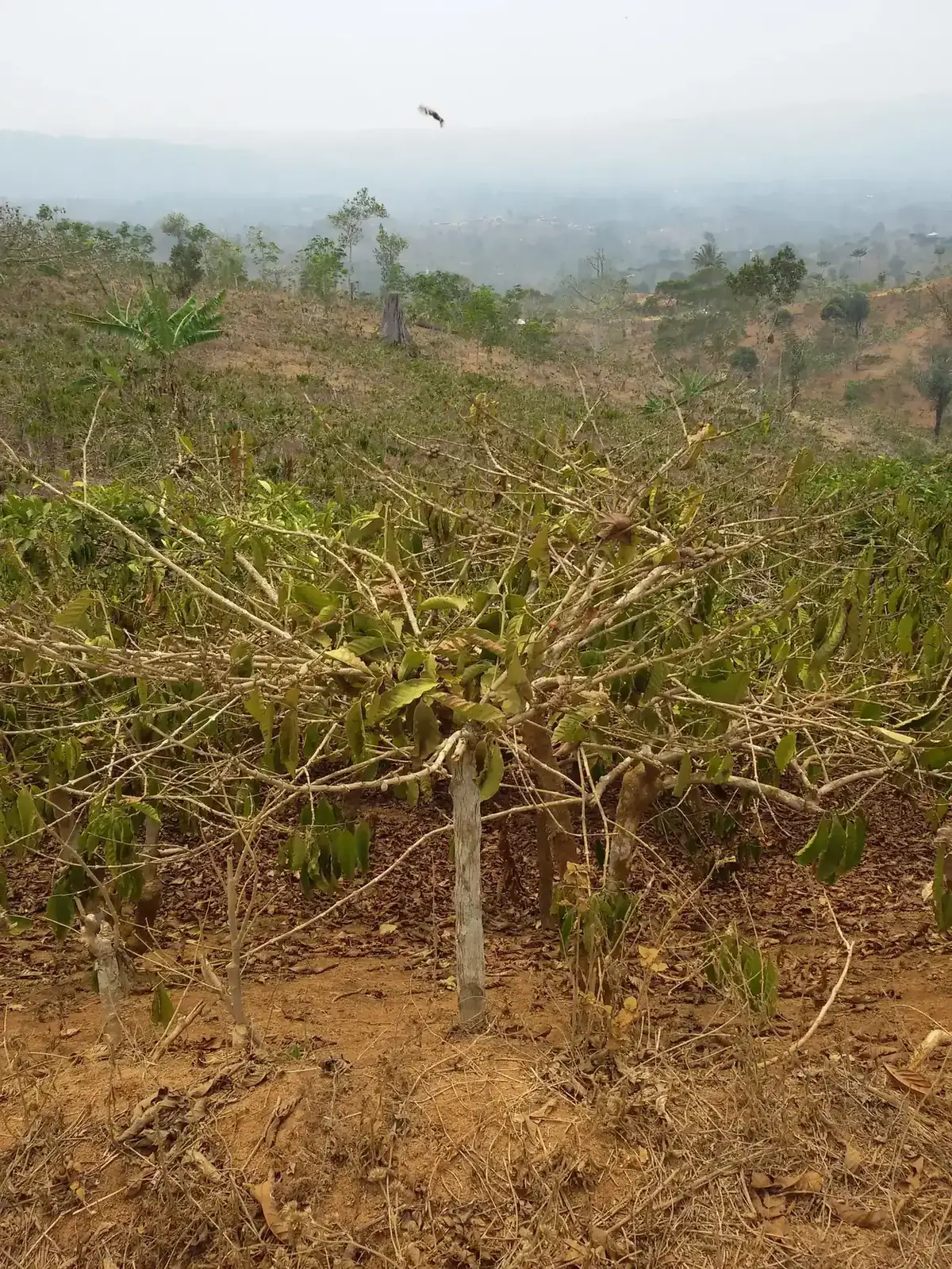
Restoring critical, dry, post-mining and disaster-affected land through site diagnosis, tackling the causes of damage, suitable vegetation and long-term management.
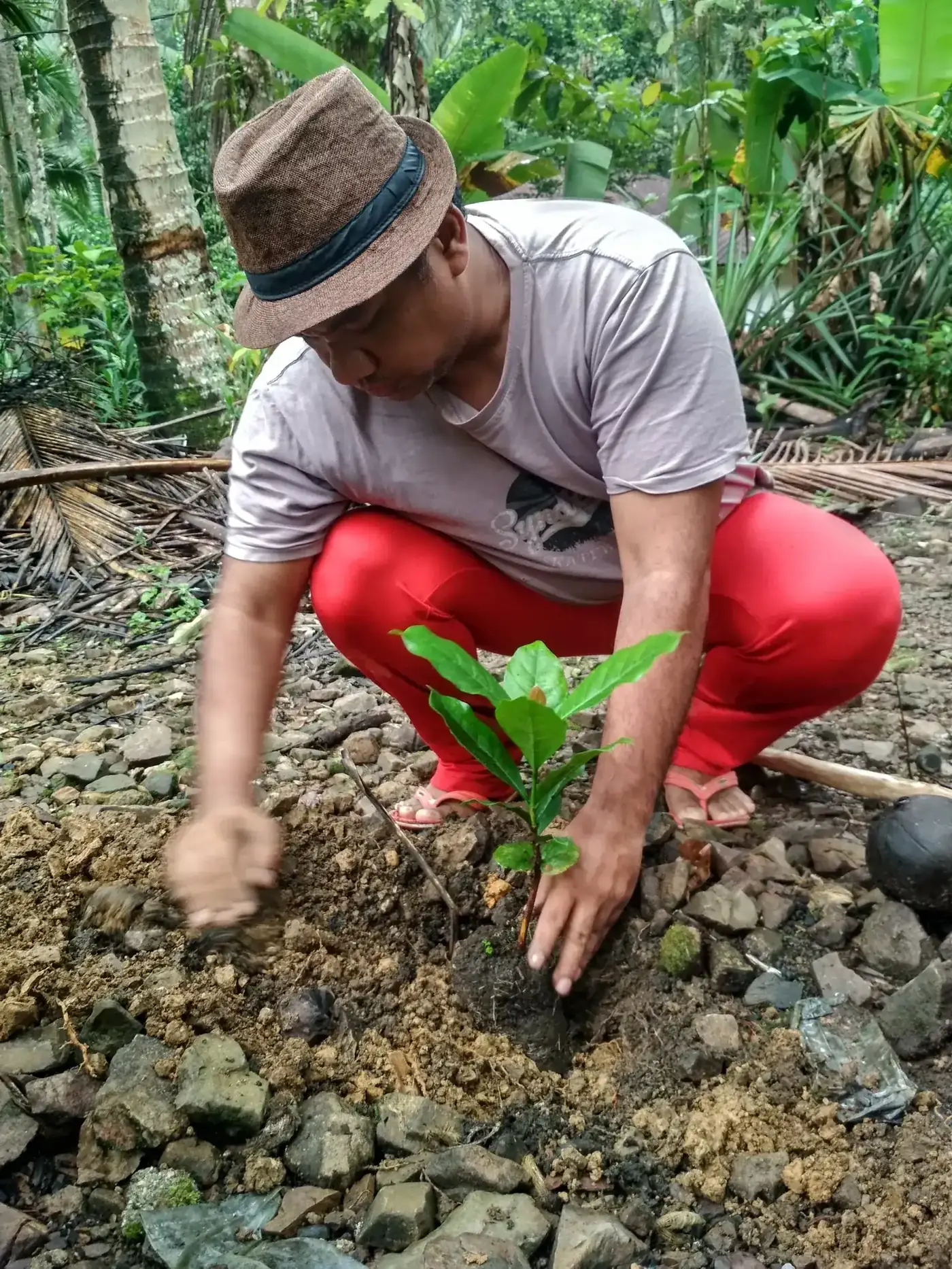
Planting 1,000 local trees on critical village or public land, such as erosion-prone slopes, spring recharge areas and riverbanks, then handing them to a local group to look after.
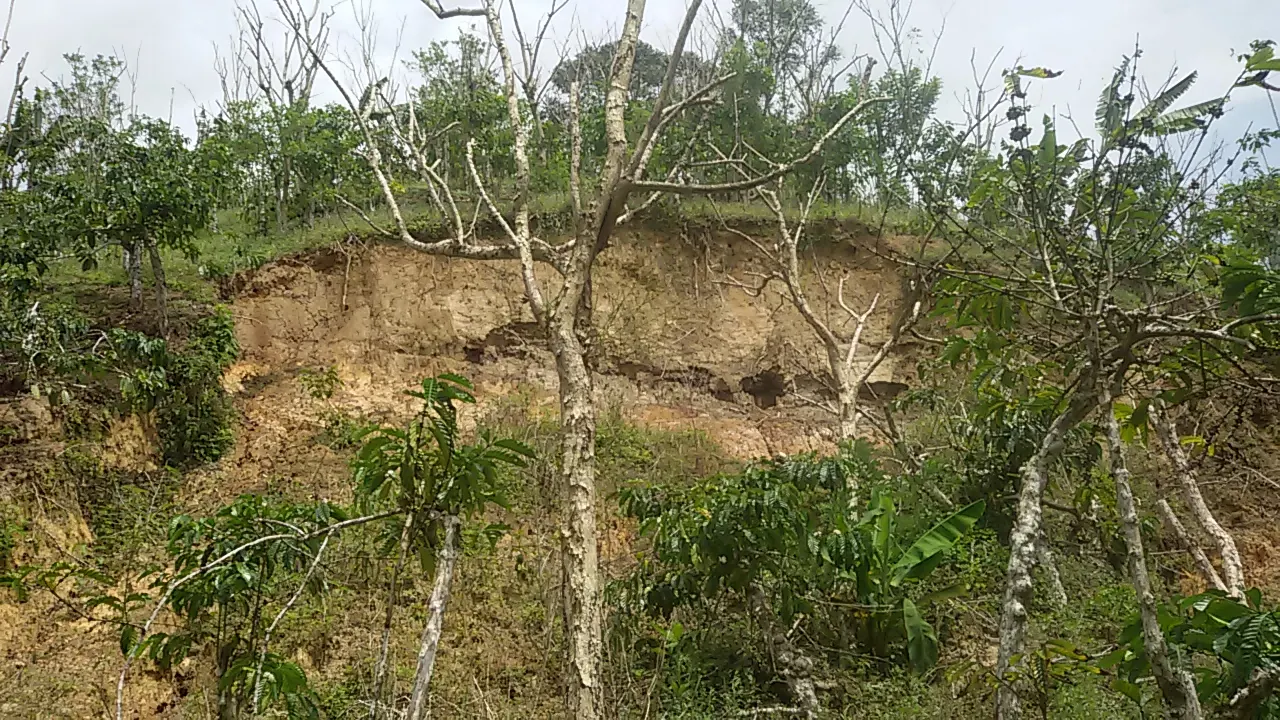
Some slopes in Dlingo and Kokap are prone to landslides and erosion, and sediment from the catchment flows into a reservoir that supplies drinking and irrigation water. Trees on private land are easily cut or replaced. Trees on village or public land, protected by written agreement, serve everyone.
Hold back erosion, protect infiltration and restore vegetation cover where there is a real ecological problem.
A local stewardship group such as a forest-farmer group, youth or women's group, working with the village government.
The site, village approval and stewardship group are confirmed.
Planting at the start of the rainy season with the local group.
The group maintains the trees and may harvest produce such as candlenut, as agreed.
These are the things assessed during the programme, not verified results. Results are reported after delivery and checks.
The programme does not promise higher spring flow, short-term flood or landslide control, or carbon claims.
 Forests & land
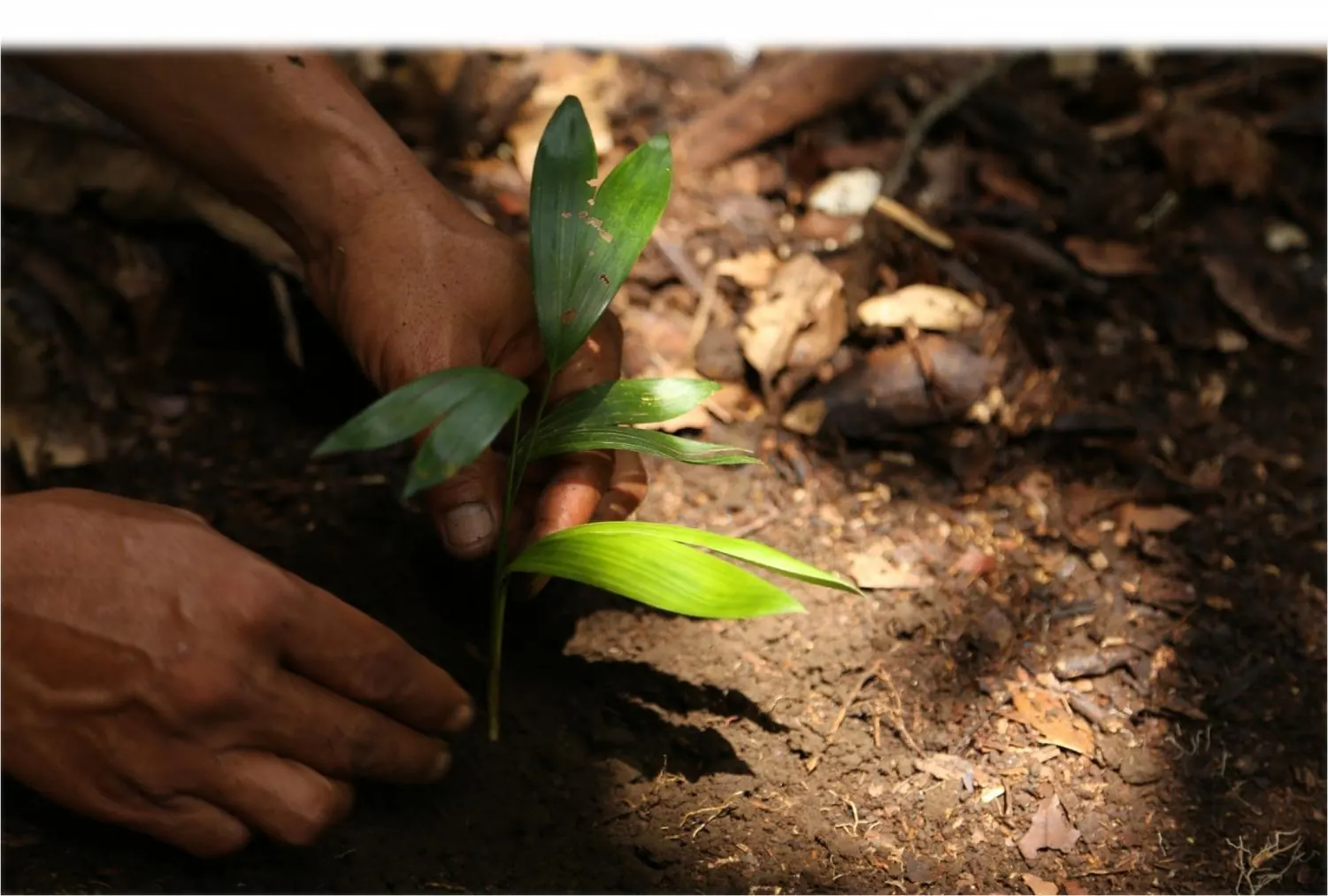
Restoring critical, dry, post-mining and disaster-affected land through site diagnosis, tackling the causes of damage, suitable vegetation and long-term management.
 Water & climate
Shared water services for homes and gardens, with solar pumps where the source allows, run by operators and rules agreed by residents.
Tell us the goal and the area. We will come back with first questions for an assessment and a split of roles.