
01
Farmer First
Farmer and household skills built through local trainers, hands-on practice and repeat visits.
- Developing village champions and trainers
- One-to-one coaching on farms and at home
- Farmers' plots as shared learning sites
Farming, processing, food, money and the environment affect one another. We choose the combination of areas that is most useful to each community.
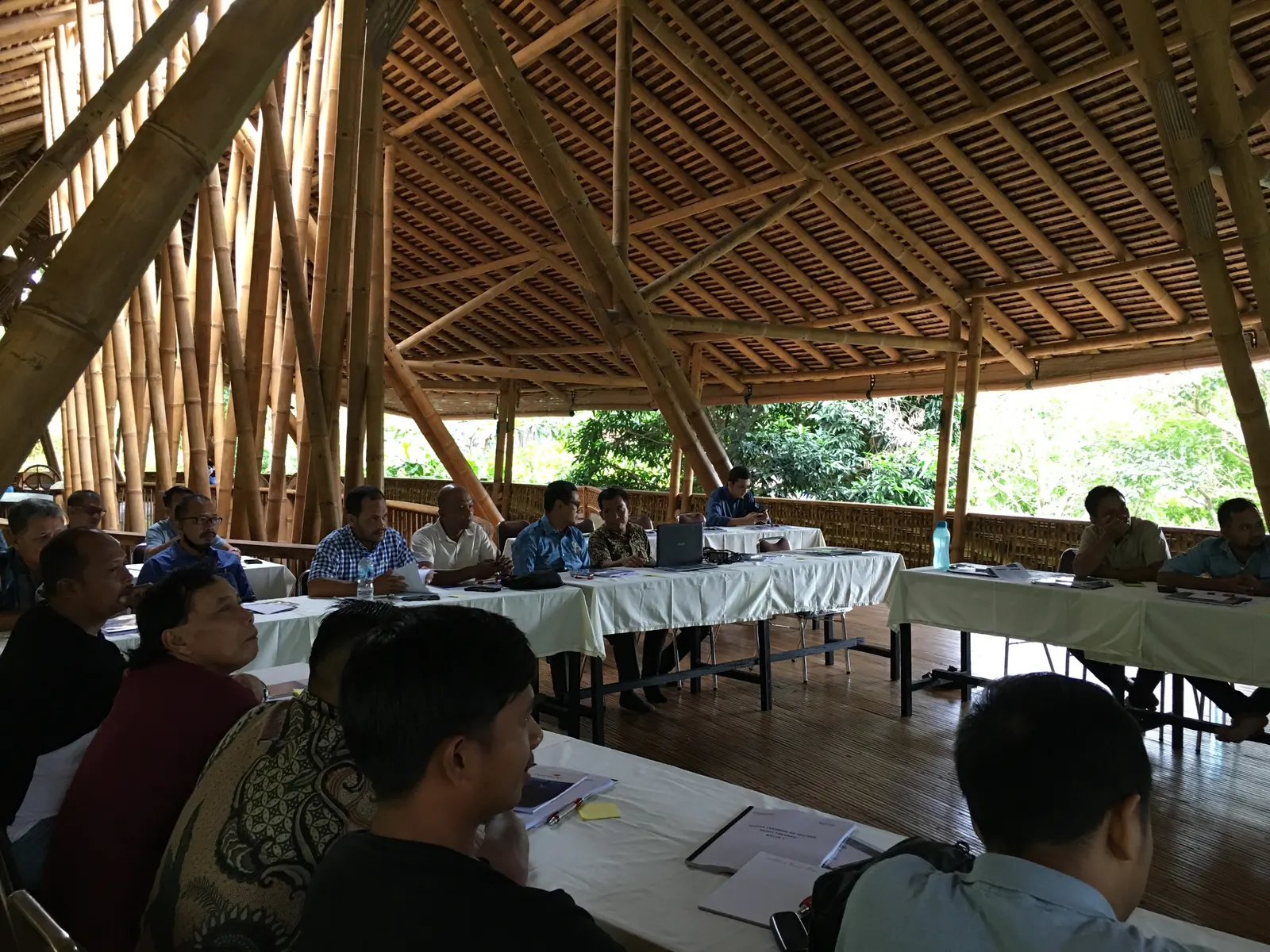
Farmer and household skills built through local trainers, hands-on practice and repeat visits.
Land restoration, food gardens and income designed together with Satisfarm.
Residents manage water, prepare for dry seasons and look after shared resources.
Farmers and processors improve production practice, product quality and the records buyers ask for.
Families make better-informed business and money decisions, with women part of those decisions.
Field data is used to improve programmes and connect communities with the right buyers.
Used on their own or combined in one programme.
Villagers become coaches through practice, teaching simulations and mentoring. They remain community members, not company employees.
One-to-one visits to agree priorities, practise actions and check they are applied. Consistent farmers' plots become examples for neighbours.
With Satisfarm, suitable land becomes a place for demonstrations, nurseries, agroforestry and shared learning, managed under terms agreed with owners and users.
In coconut programmes, village champions take one or both roles. Problems that cannot be solved in the village are referred to Hasbi specialists.
Tree health, cultivation, soil and water, and climate resilience.
Sap collection and handling, hygiene, cooking efficiency and sugar quality.
Working design: one champion supports up to 70 households, aiming for one visit per household each month.

Each round builds on records from the previous visit. Steps that prove too hard are simplified; technical issues go to specialists.
Every programme agrees a starting point, targets and the evidence to be checked.
Can participants demonstrate the skill and explain why?
Is the practice actually used on the farm, at home or at the processing site?
What changed in quality, costs, food, workload and natural resources?
Tell us the goal and the area. We will come back with first questions for an assessment and a split of roles.