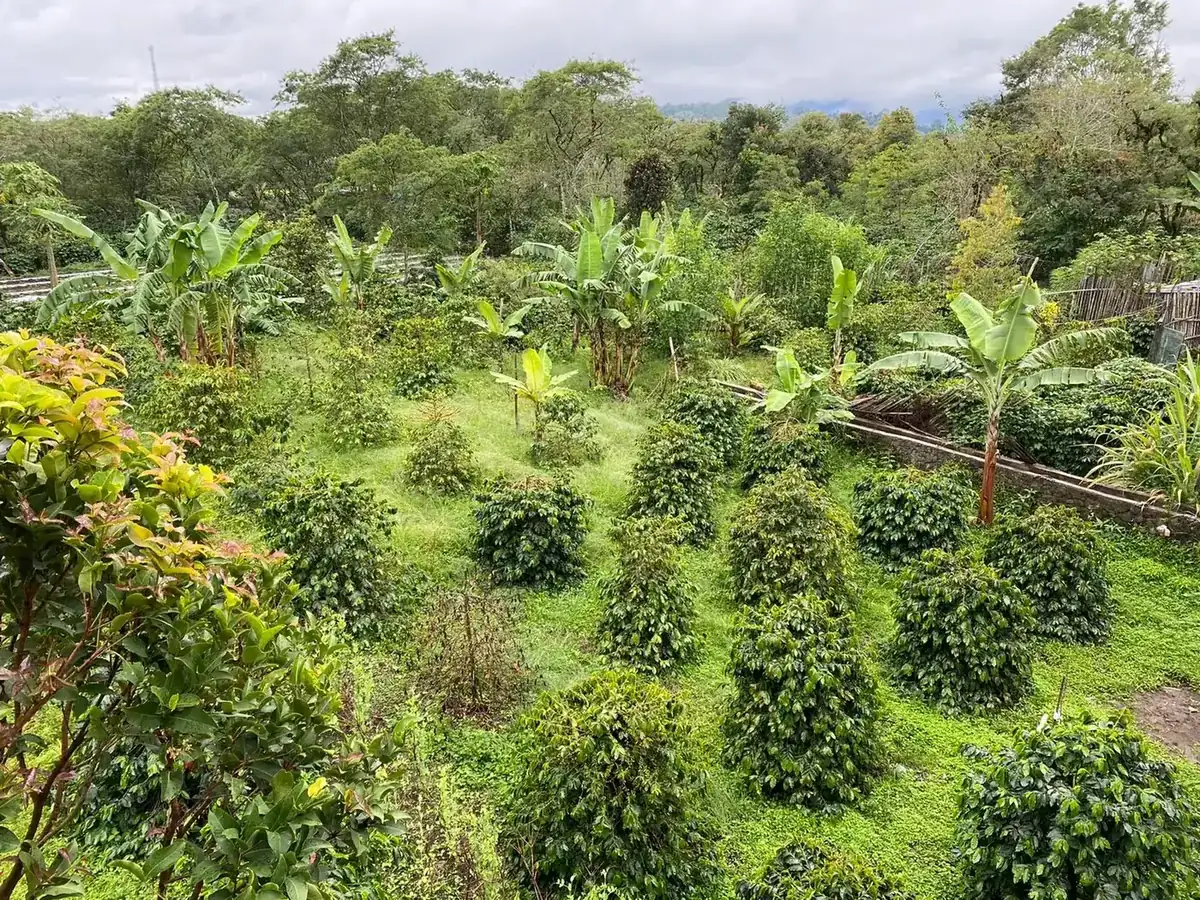
A 5,000 m² core garden with layered food crops, chickens, ducks, rabbits, fish ponds and solar-powered community water, plus five satellite gardens owned by residents.
Food forest, poultry, rabbits, ponds, azolla, solar pump
Delivered with
Satisfarm and the village government
Local need
Penyalahan has land that can be managed collectively, but water is scarce in the dry season and some families need affordable protein. A layered food forest lets one plot produce fruit, tubers, vegetables, eggs and fish while improving the soil and providing habitat for birds.
Aim
Provide nutritious food for families, especially pregnant women and children under two, from a garden residents can maintain and others can copy at low cost.
Who takes part
The garden management group, priority egg-recipient families identified with the village health post, and the owners of five satellite gardens.
Activities
Pump-testing the well before the rains; ponds are only built once the water supply is proven.
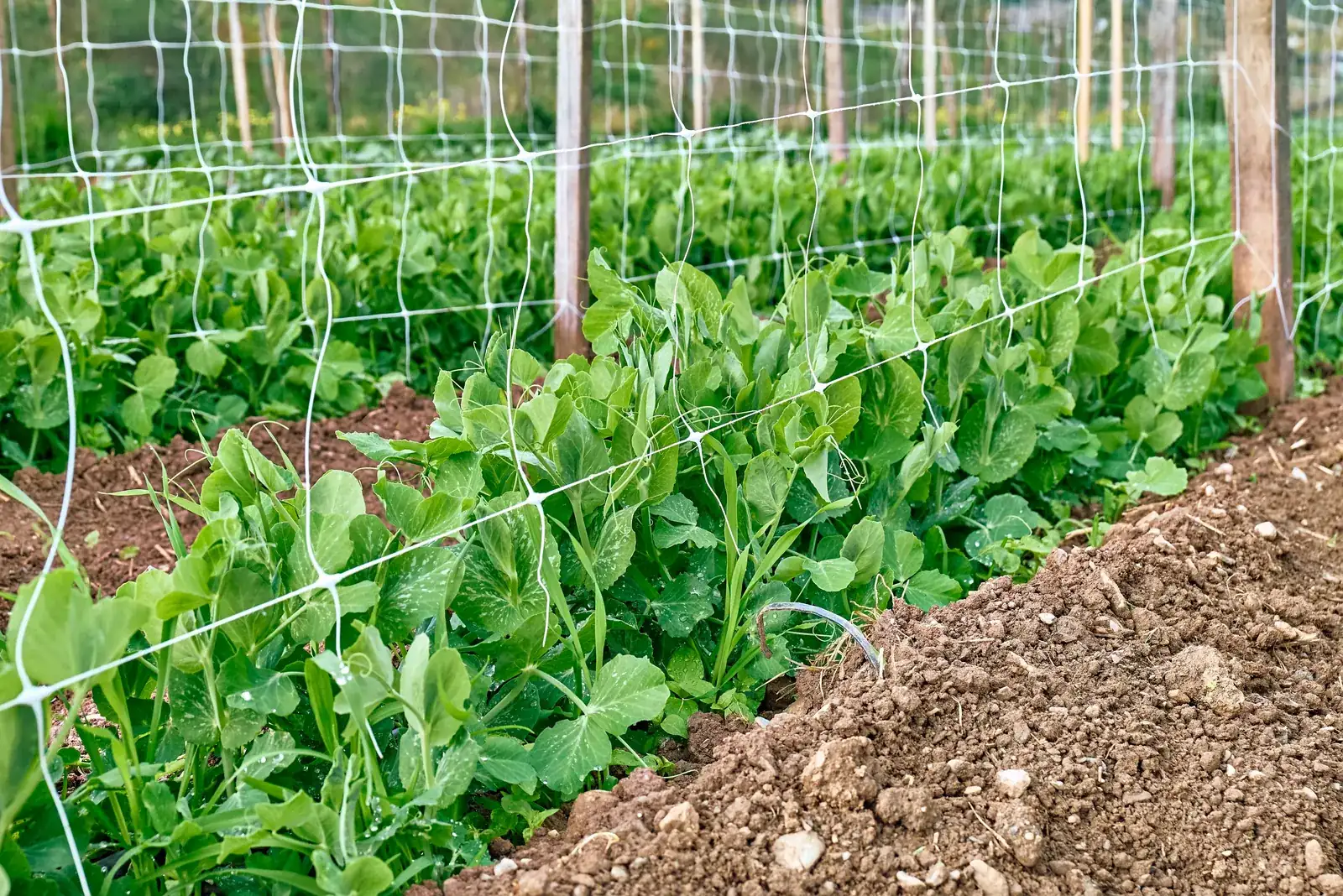
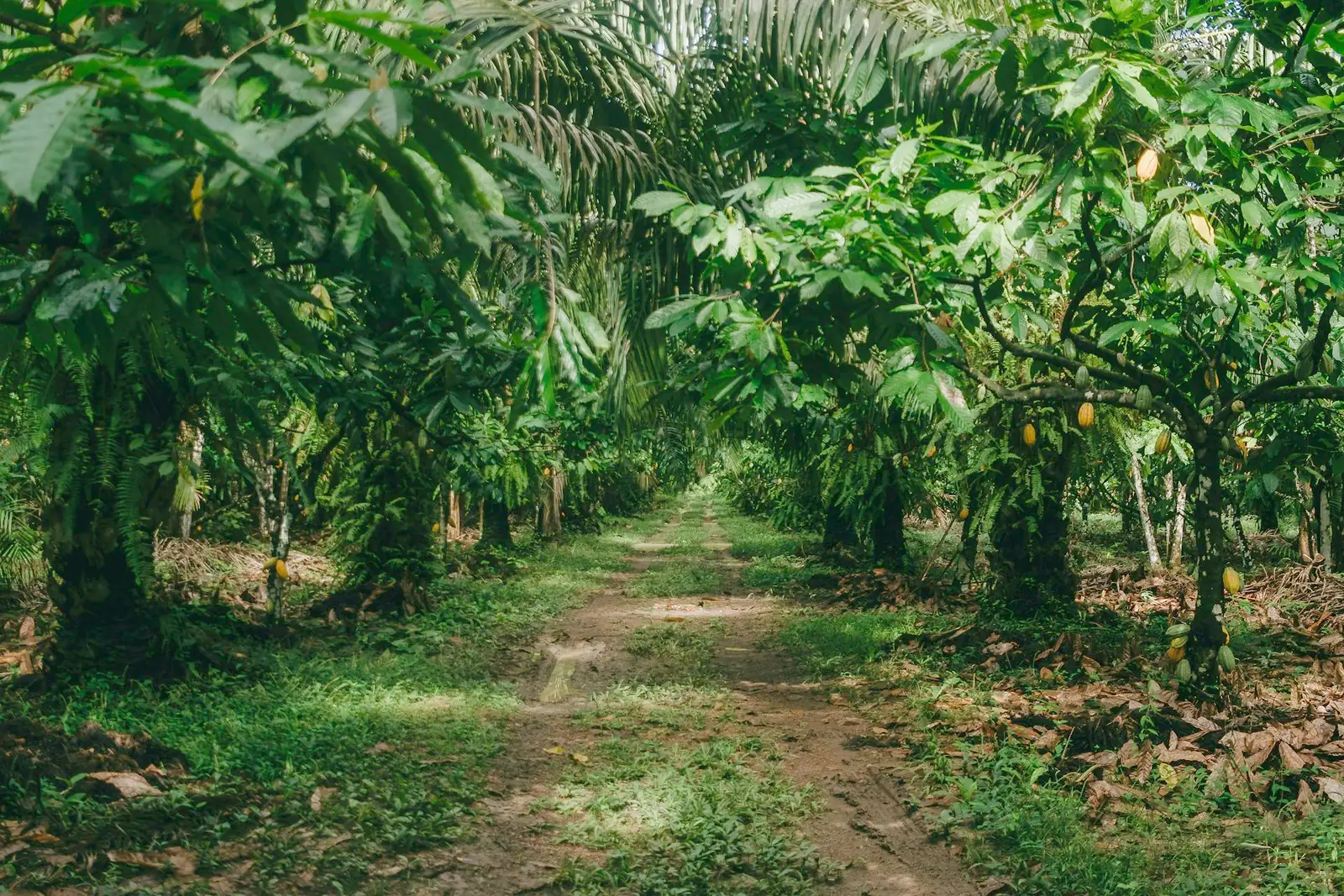
A 2,200 m² layered food forest: fruit and starch trees, bananas, tubers, rhizomes and household medicinal plants.
Improved village chickens rotated through four paddocks under trees; laying ducks kept separate.
Gourami and catfish ponds, azolla tanks for supplementary feed and rabbits for manure.
Battery-free solar pump, a tank at the highest point and gravity flow to the beds.
Half of the chicken eggs go to pregnant women and toddlers through the village health post.
Cycles inside the garden
1WaterRain and the well fill the tank and ponds; pond water is reused for irrigation.
2FeedAzolla and garden greens supplement feed for fish, poultry and rabbits.
3NutrientsManure, pond sludge and kitchen scraps become compost and liquid fertiliser.
4HabitatFlowers, fruit and shrubs feed and shelter birds that help control pests.
What we track
Food harvested by food group and eggs distributed
Hours worked per person (designed to stay under 6 hours a week)
Daily water volume and well level
Bird and plant species observed
These are the things assessed during the programme, not verified results. Results are reported after delivery and checks.
Ways to collaborate
Nutrition and food-security donors and CSR partners.
Community health centres and village health posts for egg distribution.
Other villages wanting to copy the household garden package.
Gallery
Tap a photo to enlarge it. Some photos are illustrative.
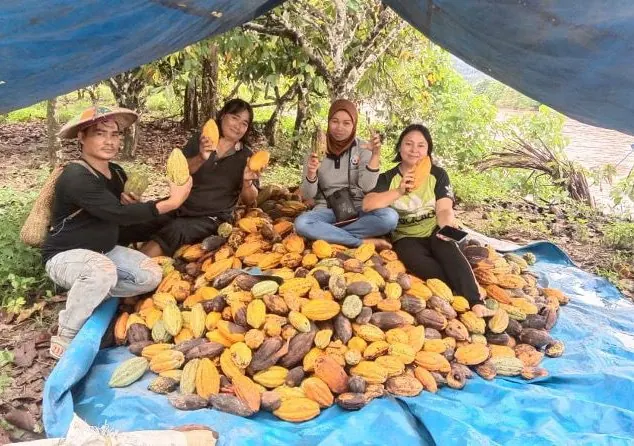
Strengthening the rights and livelihood resilience of women farmers from transmigrant families in 12 villages, learning alongside a Dayak community. Programme target: 500 women cocoa farmers.
View initiative
Have a site, community or programme you want to develop with us?
Tell us the goal and the area. We will come back with first questions for an assessment and a split of roles.
 Forests & land